 42 / 15-23 Langhorne Street, First Floor HUB Arcade, Dandenong VIC 3175
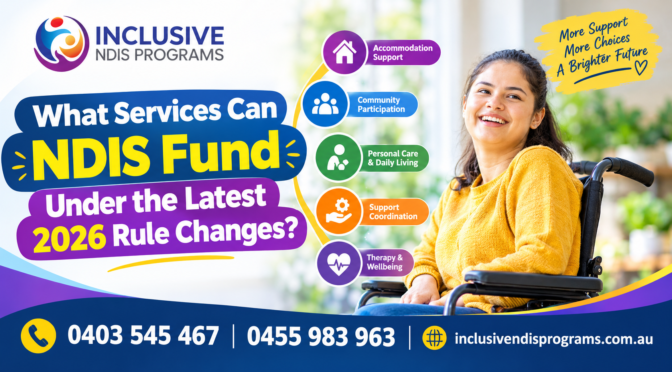
The NDIS has just undergone its biggest transformation since it began. New laws took effect from August 2026, changing how plans work. These changes affect what services get funding and how they’re organised. Your disability funding options are now structured differently than before.
Three Main Funding Categories Explained
The NDIS divides all funding into three clear types. Each serves a different purpose for participants. Understanding these support categories helps you access the right services. Let’s explore what each one covers.
Core Supports: Your Daily Living Budget
Core Supports fund everyday assistance and essential community participation. This is your most flexible funding type. You can shift money between different areas within Core. Under this category, NDIS disability support in Melbourne includes personal care, household tasks, and transport services.
What Core Supports Cover:
- Personal care and hygiene assistance
- Household cleaning and meal preparation
- Transport to appointments and activities
- Disability-related consumables (continence products, mobility aids)
- Social and community participation activities
Core represents 60–70% of most participant plans. This core funding remains flexible unless stated otherwise. You cannot move Core money to other categories.
Capacity Building Supports: Skills and Independence
Capacity Building funds long-term skill development and independence building. These supports help you grow over time. Therapy services fall under this category. Under this category, NDIS care services in Melbourne include speech therapy, occupational therapy, and physiotherapy.
What Capacity Building Supports Include:
- Speech and language therapy services
- Occupational and physiotherapy support
- Support coordination and plan management
- Behaviour support and social skills training
- Specialist exercise physiology and dietetics
This funding is more structured than Core. Each support must align with your personal development goals. Funding cannot move between Capacity Building categories.
Capital Supports: Equipment and Housing
Capital Supports fund larger, one-off items you need. These are permanent purchases, not ongoing services. A reliable NDIS support provider in Melbourne can help you access these items. This funding covers assistive technology and home safety.
What Capital Supports Cover:
- Wheelchairs and mobility equipment
- Home modifications for accessibility
- Vehicle modifications and adaptations
- Specialist communication devices
- Assistive technology for independence
Capital is usually stated support. This means specific items appear in your plan. You cannot substitute similar items without approval.
Important 2026 Rule Changes
The latest NDIS legislation changes bring new requirements. Plans now have defined end dates. Unused funding no longer automatically rolls over. NDIS disability care provider registrations now have stricter compliance standards.
Key Changes Include:
- Plans must be renewed when they expire
- New framework planning begins April 2027
- Supported Independent Living requires registered providers
- Stricter fraud prevention and record-keeping rules
- 90-day claim window starting December 2026
These changes strengthen scheme integrity and participant safety. Providers must now keep detailed records for seven years. This ensures better accountability and service quality across the system.
How to Maximise Your NDIS Funding
Understanding your funding structure helps you plan effectively. Speak with your support coordinator about allocation options. Request a plan review if needs change. Document all goals to justify funding requests.
Connect with qualified providers early in your planning. Build evidence to support capacity building investments. Use Core funding strategically within flexibility rules. Plan ahead for equipment and housing modifications.
Conclusion
The 2026 NDIS changes create clearer, fairer funding structures. Knowing your three funding types helps maximise support. Contact Inclusive Futures Network — NDIS Programs today to navigate these changes confidently.
We help participants understand updated rules and access appropriate services. Our experienced team guides you through planning and provider selection.
- Call us: 0403 545 467 / 0455 983 963
- Email: info@inclusivendisprograms.com.au
- Website: https://inclusivendisprograms.com.au/
Let us support your journey toward independence and inclusion.
FAQs
1. What is the biggest NDIS change in 2026?
The new framework planning system launches in April 2027, with plans now having defined end dates. Plans must be renewed at expiry, and unused funds no longer automatically carry over to the next period.
2. Can I move funding between Core and Capital Supports?
No, funding cannot move between different support types. Core, Capacity Building, and Capital remain separate. You can only shift funds within Core Supports categories.
3. Which therapy services does NDIS fund?
NDIS funds speech therapy, occupational therapy, physiotherapy, psychology, and exercise physiology. These fall under Capacity Building Supports when related to disability goals.
4. What happens to my unused NDIS funding at plan end?
Unused Core funding expires at plan end and doesn’t roll over. Capital and Capacity Building may have different rules depending on circumstances. Review your plan documents.
5. Do all NDIS providers need to register now?
Supported Independent Living providers must register from 1 July 2026. Other providers operate under existing rules. Check with your provider about registration status.
6. What does “stated support” mean in my plan?
Stated supports are specific items or services listed in your plan. These cannot be substituted for similar alternatives without approval.
7. How long must NDIS providers keep records?
Providers must maintain financial records for seven years from the payment date. Failure to do so results in civil penalties.
8. Can I request a plan review anytime?
Only participants, nominees, or legal guardians can request unscheduled plan reviews. The NDIA assesses whether circumstances warrant a reassessment before agreeing.
9. What are consumables in NDIS funding?
Consumables include continence products, wound care supplies, and mobility aid accessories. These must be disability-related and cost more due to your disability.
10. How do I understand which category my service uses?
Your provider should link every service to a specific support category. Review your plan documents or ask your support coordinator to clarify the categories.

