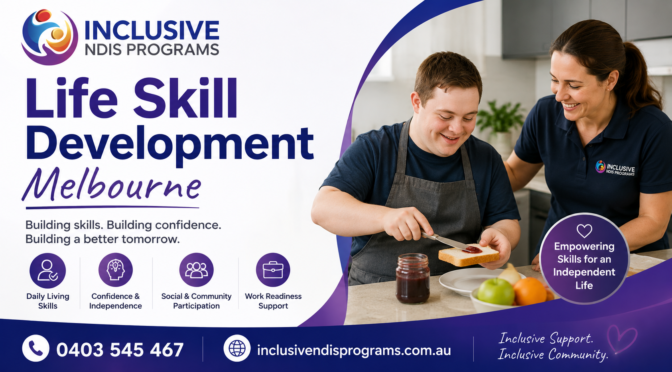
What Goals Can Life Skill Development in Melbourne Help Achieve?

Life skills training empowers individuals to achieve remarkable personal milestones and independence. Understanding achievable goals helps you set meaningful objectives for your development journey. Professional support transforms everyday challenges into opportunities for growth and self-sufficiency.

This guide explores the transformative outcomes possible through structured skill-building programs.

Building Essential Daily Independence Skills

Daily living skills development assistance in Melbourne programs focuses on fundamental self-care capabilities. Participants learn cooking, cleaning, personal hygiene, and household management systematically. Mastering these basics creates foundations for confident, independent living experiences. NDIS Capacity Building Support enables gradual skill acquisition at comfortable paces.

Core Independence Goals Include:

  • Preparing nutritious meals without assistance
  • Managing personal budgets and finances
  • Maintaining clean, organised living spaces
  • Using public transport independently
  • Shopping for groceries and essentials

Enhancing Social and Communication Abilities

Developing strong disability life planning support skills improves relationship building significantly. Programs teach effective communication techniques for various social situations. Participants gain confidence in expressing needs, boundaries, and emotions appropriately. These skills foster meaningful friendships and community connections naturally.

Social Skill Milestones

Skill Area Achievement Goal
Conversation skills Initiating and maintaining discussions
Conflict resolution Managing disagreements respectfully
Community participation Engaging in group activities
Digital communication Using technology for connections

Achieving Employment and Education Readiness

Life skill development in Melbourne services prepares individuals for workforce participation successfully. Training covers job-seeking skills, workplace behaviour, and professional communication standards. Educational support helps participants pursue learning opportunities aligned with interest. Disability life skill training bridges gaps between current abilities and career aspirations.

Participants develop resume writing, interview techniques, and workplace etiquette comprehensively. Time management and organisational skills enhance employment sustainability in the long term.
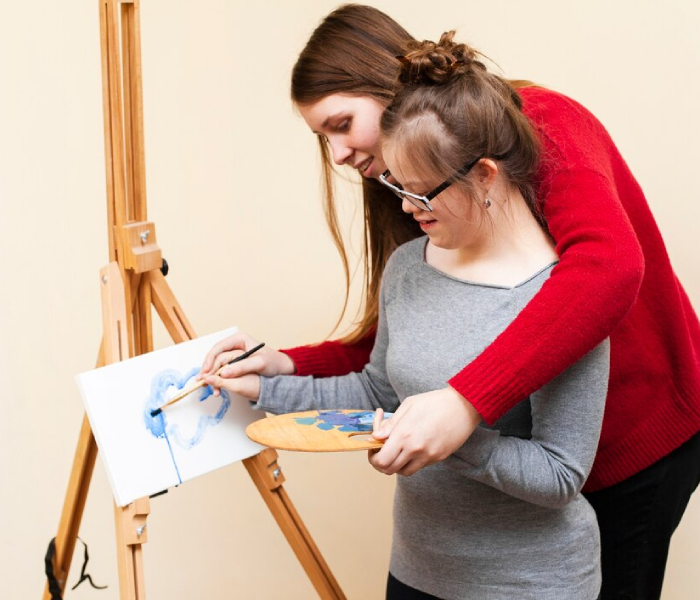
NDIS Life Skills Development Melbourne for Daily Independence

Strengthening Health and Wellbeing Management

Understanding personal health needs promotes better self-advocacy in medical settings. Programs teach medication management, appointment scheduling, and symptom recognition effectively. Life skills development assistance in Melbourne includes nutrition education and exercise planning. Physical and mental wellbeing improvements enhance overall quality of life.

Health Management Goals:

  • Following medication schedules accurately
  • Recognising when to seek medical help
  • Maintaining regular exercise routines
  • Making nutritious food choices
  • Managing stress through healthy coping strategies

Developing Financial Literacy and Money Management

NDIS Independence Skill Support addresses practical money handling and budgeting skills. Participants learn banking basics, bill payment systems, and saving strategies. Understanding financial concepts prevents exploitation and promotes economic independence. These capabilities enable informed spending decisions and future planning.

Training covers recognising currency, using ATMs, online banking, and tracking expenses. Goal-setting around financial milestones builds motivation and accountability.

Fostering Problem-Solving and Decision-Making Capabilities

Critical thinking skills empower participants to navigate daily challenges independently. Programs develop analytical abilities for evaluating options and consequences logically. Decision-making confidence grows through supported practice in safe environments. These cognitive skills transfer across all life areas effectively.

Participants practice identifying problems, brainstorming solutions, and implementing chosen strategies. Reflection on outcomes strengthens learning and future decision-making quality.

Building Technology and Digital Literacy Skills

Modern life requires competence with digital tools and online platforms. Training includes smartphone usage, internet navigation, and social media safety. Disability life planning support incorporates technology skills for communication and independence. Digital literacy opens educational, employment, and social opportunities significantly.

Start Your Skill Development Journey Now

Don’t wait to unlock your full potential through structured skill building. Explore comprehensive life skills training NDIS programs available today. Your path to greater independence and achievement begins with one step. Connect with experienced support providers to discuss personalised goals.

Inclusive Futures Network – NDIS Programs can be your partner in accessing life skills development assistance in Melbourne. If you wish to develop the essential life skills with proper guidance and support, dial 0403 545 467 to talk to our experts.

Frequently Asked Questions

  1. How long does life skills development typically take?
    Duration varies based on individual goals and starting capabilities. Most participants see meaningful progress within six to twelve months.
  2. Can life skills training be delivered at home?
    Yes, many providers offer in-home training for practical skill application. Learning in familiar environments often improves skill retention.
  3. What age groups benefit from life skills development?
    Programs accommodate children, adolescents, and adults across all age ranges. Training adapts to developmental stages and individual needs.
  4. How are life skills goals determined for participants?
    Goals emerge through collaborative discussions between participants, families, and support coordinators. Individual aspirations guide the planning process.
Beyond Basic Care: The Real Benefits of Supported Independent Living in 2026

Supported independent living represents far more than just residential assistance services. It’s about empowering people to live meaningfully while receiving tailored support. The concept has evolved dramatically, offering genuine independence and personal growth opportunities. Many discover that SIL providers in Melbourne create environments where individuals thrive.

Understanding Supported Independent Living

Supported living arrangements differ significantly from traditional care models. Rather than congregate settings, individuals live in their own homes. Support staff visits provide customised assistance with daily routines. This approach promotes autonomy and self-determination in personal life choices.

Key Features of Modern SIL:

  • Personalised support based on individual goals and preferences
  • Greater control over daily routines and lifestyle decisions
  • Access to community activities and social participation programs
  • Support for developing independence and life skills progressively
  • Flexible arrangements adapting to changing needs over time

Enhancing Personal Independence and Dignity

True independence means making meaningful choices about your life. SIL housing in Melbourne emphasises person-centred approaches to daily support. Individuals gain confidence through accomplishing tasks with guided assistance. This builds self-efficacy and personal agency in all areas.

Support workers focus on enabling rather than simply providing care. They teach new skills through practical demonstration and encouragement. Over time, people often require less direct assistance. This gradual progress towards greater autonomy remains the primary objective.

Building Meaningful Community Connections

Isolation poses serious risks to wellbeing and mental health. SIL providers in Dandenong recognise that community engagement drives positive outcomes. Support includes facilitating social activities and community participation. Individuals develop genuine relationships beyond caregiver connections.

Access to employment, education, or volunteer opportunities increases significantly. People contribute to their communities in meaningful ways. These connections create purpose and strengthen social wellbeing indicators. The result is a richer, more connected life experience.

What is SIL? - Ace Care Services | Australia's Leading NDIS Provider

Developing Essential Life Skills

Skills training and development forms a cornerstone of quality support. Workers help individuals master cooking, budgeting, and household management. Personal hygiene routines and health management become more independent progressively. SIL providers in Clayton emphasise teaching practical abilities systematically.

Each person’s learning plan reflects their unique capabilities and aspirations. Progress is celebrated and documented consistently. As confidence grows, supervision naturally decreases. This approach creates sustainable, long-term independence for individuals.

Promoting Health and Wellbeing Outcomes

Quality health management support ensures better medical outcomes overall. Regular health monitoring and medication management receive proper attention. Mental health support and counselling services remain readily accessible. SIL providers in Box Hill integrate health promotion into daily routines.

Physical activity and nutrition improvements happen naturally in supportive homes. People enjoy better sleep and reduced stress levels typically. These factors combine to create measurable health improvements. Holistic wellbeing becomes achievable through consistent, compassionate support.

Conclusion

Supported independent living offers transformative benefits far beyond basic assistance. It restores dignity, builds capabilities, and creates meaningful lives. If you’re exploring SIL options for yourself or loved ones, professional guidance matters significantly.

Contact Inclusive Futures Network – NDIS Programs today to learn more about your possibilities:

Your journey towards greater independence and community belonging starts here.

Frequently Asked Questions

  1. What exactly is supported independent living?
    It’s a support model where people live in their own homes while receiving tailored assistance. Support workers help with daily tasks, skills development, and community participation as needed.
  2. How does SIL differ from group homes?
    SIL provides individual housing with personalised support, offering more autonomy and choice. Group homes involve shared accommodation with communal support arrangements instead.
  3. Who qualifies for supported independent living services? People with disabilities who need support but desire more independence typically qualify. Eligibility varies based on individual circumstances and support needs assessment.
  4. Can people choose their support workers?
    Yes, most quality SIL arrangements prioritise matching preferences and building strong working relationships. Compatibility between individuals and support staff remains important for success.
  5. What types of support do workers provide daily?
    Support ranges from assistance with meals and personal care to budgeting and health management. Workers also facilitate community activities, social participation, and skill development.
  6. How does SIL promote community integration?
    Support includes facilitating employment, education, volunteering, and social activities. Workers help people develop genuine community connections beyond care relationships.
  7. Can individuals move to different housing arrangements?
    Yes, supported living arrangements remain flexible and adaptable to changing needs. People can transition between different support levels or living situations progressively.
  8. How is progress towards independence measured?
    Regular assessments track skill development and increasing independence across daily tasks. Goals are personalised and reviewed regularly with the individual’s input.
  9. Is SIL affordable for most people?
    Many arrangements are funded through disability support schemes and government programs. Costs vary based on individual support needs and funding eligibility.
  10. How do families stay involved in SIL arrangements?
    Regular communication and consultation with families remains standard practice. Most programs encourage family involvement in planning and decision-making processes.

NDIS Housing Support Explained: New Rules for SIL and SDA in 2026

The National Disability Insurance Scheme (NDIS) provides critical support for people with disabilities seeking suitable housing solutions. Two key housing support types — Supported Independent Living (SIL) and Specialist Disability Accommodation (SDA) — help participants live independently. Understanding these options and the new 2026 guidelines is essential. This guide breaks down everything you need to know about NDIS housing support clearly.

What Is NDIS Housing Support?

NDIS housing support helps participants afford safe, accessible accommodation tailored to their needs. This support covers both assistance with living and the physical space itself. It enables people with disabilities to live independently or semi-independently. The scheme recognises that suitable housing is fundamental to a better quality of life.

Understanding SIL (Supported Independent Living)

SIL accommodation in Melbourne provides practical support within a shared or independent living environment. SIL combines housing with funded support services that help with daily tasks. Participants maintain control over their living arrangements and support workers. This model promotes personal independence while ensuring necessary assistance remains available.

Key Features of SIL Support:

  • Workers assist with cooking, cleaning, and personal care tasks
  • Participants choose their living situation and housemates
  • Support hours vary based on individual NDIS plans
  • Community integration support helps build social connections

Understanding SDA (Specialist Disability Accommodation)

Disability housing in Dandenong through SDA serves people with extreme functional impairment or complex support needs. SDA properties are specifically designed or modified for accessibility requirements. These specialised dwellings reduce reliance on high-intensity 24-hour support services. The accommodation itself becomes a therapeutic tool for independence.

SDA Design Elements:

  • Wheelchair access and bathroom modifications throughout
  • Kitchen adaptations for people with limited mobility
  • Sensory-friendly features for people with autism
  • Secure spaces for those with behavioural support needs

What’s Changing in 2026?

New guidelines strengthen quality standards across both accommodation types. Providers must now meet enhanced accessibility compliance measures and reporting requirements. Pricing frameworks become more transparent for participants and families. Assessment processes for determining appropriate housing support have been streamlined.

Finding the Right NDIS Registered Provider

An NDIS registered provider in Melbourne ensures your housing support meets national quality standards and regulations. These providers undergo rigorous compliance checks and participant safeguarding audits. Choosing a registered provider gives you legal protection and service guarantees. They maintain transparency about costs and service delivery expectations.

What to Look for in Providers:

  • Current NDIS registration status with the Quality and Safeguards Commission
  • Clear communication about costs and service inclusions
  • Positive feedback from current and former participants
  • Staff training in disability awareness and person-centred care

Support in Finding Your Perfect Home

Coordinators of NDIS housing support in Melbourne help participants identify suitable accommodation options. They assess your support requirements and help match you with appropriate housing. These specialists understand both SIL and SDA frameworks thoroughly. They guide you through applications and transition planning processes.

Making Your Decision

Consider your independence goals and daily support requirements carefully. Think about whether shared or independent living suits you better. Assess accessibility needs for your current and future circumstances. Speak with your NDIS planner about available options and budget allocations.

Conclusion

Understanding NDIS housing support options empowers you to make informed decisions about your future. Whether SIL or SDA suits your needs better depends on personal circumstances. The 2026 updates to guidelines strengthen protections and improve transparency significantly.

Ready to explore your housing options? Contact Inclusive Futures Network — NDIS Programs today for expert guidance.

Our team specialises in helping participants navigate housing support options and find the perfect accommodation solution for their unique needs.

FAQs

1. What’s the difference between SIL and SDA in simple terms?

SIL provides support workers to help with daily tasks in any home you choose. SDA offers specially designed accessible properties for people with complex support needs and extreme functional impairment.

2. Can I change from SIL to SDA if my needs change?

Yes, your NDIS plan can be reviewed and updated if your circumstances change. You can transition between support types with proper planning and approval.

3. How much does NDIS housing support cost participants?

Costs vary based on your NDIS plan allocation and chosen accommodation. Your NDIS planner helps determine what’s included in your funding package.

4. Who qualifies for Specialist Disability Accommodation (SDA)?

People with permanent, significant functional impairment requiring 24-hour support typically qualify for SDA. Your NDIS plan must indicate extreme functional limitations.

5. Do NDIS-registered providers guarantee quality services?

Registration ensures providers meet national standards and undergo safeguarding audits regularly. It provides legal accountability and protection for participants using their services.

6. What accessibility features should I expect in SDA properties?

SDA homes include wheelchair access, accessible bathrooms, modified kitchens, and sensory-friendly features. Modifications depend on individual participant requirements and support needs.

7. How do I find suitable SIL accommodation options?

Contact your NDIS planner, explore provider websites, and attend housing expos. NDIS coordinators can match you with compatible housemates and appropriate living arrangements.

8. What happens if I’m unhappy with my current housing arrangement?

Discuss concerns with your NDIS planner immediately to explore alternative options. Your plan can be modified to reflect changing housing and support preferences.

9. Are there waiting lists for SIL and SDA accommodations?

Availability varies by area and accommodation type, so some waiting periods may exist. Your planner can provide current availability information and realistic timeframes.

10. How do the 2026 rule changes affect current NDIS participants?

New rules enhance transparency, strengthen quality standards, and improve participant safeguards. Existing participants transition smoothly under updated guidelines with support from providers.

How Can Daily Living Skills Development Assistance Help Me Live Independently?

Living independently is something most of us deeply want. But for many Australians with disability, the everyday tasks others take for granted can feel overwhelming. That’s where daily living assistance and skill development Melbourne steps in — a practical, NDIS-funded support designed to build real capability. It’s not about doing things for you; it’s about helping you do things yourself.

What Exactly Is Daily Living Skills Development?

Daily living skills development assistance in Melbourne covers supports that teach practical, functional skills. These are skills you use every single day. Think cooking, budgeting, catching public transport, or managing appointments.

These supports are delivered under the NDIS framework. They’re goal-focused, person-centred, and tailored to your needs. A trained support worker guides you step by step through real-life tasks. Over time, you grow more confident and capable.

What Does NDIS Life Skills Training Actually Include?

Many participants ask: What is included in NDIS life skills training Melbourne? Here’s a snapshot of what’s typically covered:

  • Meal planning and cooking skills
  • Personal hygiene and self-care routines
  • Managing household tasks and chores
  • Using public transport independently
  • Budgeting and financial literacy basics
  • Communication and social skill building
  • Time management and routine setting

The goal is always independence. Every skill learnt reduces reliance on others. That’s genuinely empowering.

How Do Life Skills Programs Improve Independence?

This is a question worth unpacking. Life skill development in Dandenong programs works by building small wins consistently. Each session targets a real-life gap. Progress happens gradually, not overnight.

Here’s how the process typically works:

Stage What Happens
Assessment Your goals and current abilities are mapped
Planning A personalised skill-building plan is created
Practice Skills are practised in real-life settings
Review Progress is tracked, and goals are adjusted

When you improve daily living skills through NDIS Melbourne, you gain more than capability. You gain dignity and choice.

Why Independent Living Support Changes Everything

Independent living skills support Melbourne goes beyond task completion. It reshapes how you see yourself. When you can prepare your own meals or manage your own schedule, your confidence grows. Your world expands.

Families also feel reassured. Carers get some breathing space. The ripple effect is significant. Everyone benefits when a person builds lasting independence.

Who Can Access This Support?

If you have an NDIS plan with capacity-building funding, you may already be eligible. Life skills development assistance in Noble Park falls under the Improved Daily Living category. Your support coordinator or planner can help identify the right budget line.

You don’t need to have everything figured out. You just need to start.

Ready to Take the Next Step Toward Independence?

Reach out today to explore how the right support can change your daily life. Living independently isn’t a distant dream — it’s a buildable reality. Inclusive Futures Network — NDIS Programs is a name to trust when it comes to life skill development in Doveton for participants. If you need any further assistance, you can call us at 0403 545 467.

FAQs

1. Can family members be involved in skill-building sessions?

Yes, with participant consent, family members can observe or assist during sessions.

2. How long does it take to see progress?

Progress varies per person, but consistent support usually shows results within a few weeks.

3. Is this support available for children and young people?

Yes, NDIS life skills supports can be tailored for younger participants too.

4. Can I choose my own support worker?

In most cases, yes — participant choice and control is a core NDIS principle.

5. What if my goals change over time?

Your plan can be reviewed and adjusted to reflect your evolving goals and needs.

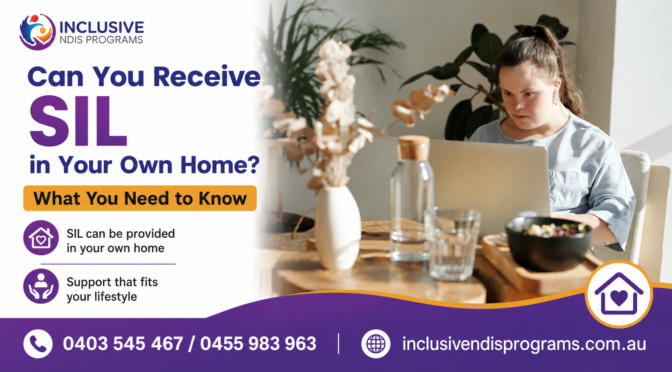
Can You Receive SIL in Your Own Home? What You Need to Know

Have you ever wondered, “​Can SIL be provided in my own home?” You’re not alone! Many people assume Supported Independent Living (SIL) only happens in shared accommodation, but that’s not always the case. Depending on your individual circumstances, goals, and approved supports, receiving SIL in your own home may be an option.

Understanding how it works can help you make informed decisions that support your independence and everyday lifestyle.

Your Answer to “Can SIL Be Provided in My Own Home?”

The short answer to “can SIL be provided in my own home?” is yes. In some situations, it can. SIL funding is designed to support people who need regular assistance with daily living, regardless of whether they live with others or independently.

Eligibility depends on several factors, including:

  • Your support needs.
  • The suitability of your living arrangement.
  • Whether SIL is considered the most appropriate support.
  • Your goals for greater independence.

Every situation is assessed individually, so there’s no one-size-fits-all answer.
Can SIL be provided in my own home? Inclusive NDIS Programs personalised support services

What Support Can You Receive at Home?

If SIL is approved for your home, supports may include assistance with:

  • Personal care and daily routines.
  • Meal preparation.
  • Household tasks.
  • Developing everyday living skills.
  • Overnight or around-the-clock support where required.

When asking, “Can SIL be provided in my own home?”, it’s important to remember that the focus is always on helping you live as independently and safely as possible while building confidence in your daily life.

How SIL Is Misunderstood

One of the biggest misconceptions is that SIL automatically means moving into a shared home. In reality, the type of living arrangement depends on your circumstances and support requirements.

Another common myth is that everyone with SIL funding receives identical supports. In practice, supports are designed around your assessed needs and long-term goals.

Working with an experienced provider helps you understand your options and ensures the support aligns with your preferences.

Why Professional Guidance Makes a Difference

Navigating SIL funding and eligibility can feel overwhelming. That’s why having knowledgeable guidance is so valuable. A trusted local provider can help you:

  • Understand your available options.
  • Coordinate appropriate supports.
  • Work towards greater independence.
  • Communicate effectively throughout the planning process.

If you’re still asking, “​Can SIL be provided in my own home?”, professional advice can provide clarity based on your unique circumstances rather than assumptions.

Supporting Your Independence Every Step of the Way!

Living independently looks different for everyone. Whether you remain in your own home or explore other living arrangements, the goal is to receive the right support that helps you thrive.

At Inclusive Futures Network — NDIS Programs, we take a person-centred approach, helping you understand your options and supporting you every step of the way. If you’ve been wondering “Can SIL be provided in my own home?”, contact our friendly team today to discuss your circumstances and explore the supports that best suit your goals.

Frequently Asked Questions

Can I change my living arrangement without losing my existing daily supports?

Potentially, yes. Any changes are usually reviewed to ensure your supports continue to match your current needs and goals.

Will having a spare room affect my eligibility for home-based support?

Not necessarily. Eligibility is based on your support requirements rather than the number of rooms in your home.

Can support workers assist with creating routines rather than just completing tasks?

Absolutely. Many supports focus on building confidence and helping you develop practical skills for greater independence over time.

What happens if my support needs change after I’ve settled into my home?

Your supports can be reviewed and adjusted to reflect changes in your circumstances, ensuring they remain suitable and effective.

Can I personalise my home while receiving funded supports?

Yes. You’re encouraged to make your living space feel comfortable and reflect your preferences, provided any significant changes remain safe and appropriate.

Is overnight support available if I don’t need assistance during the day?

It may be, depending on your assessed needs. Every support arrangement is designed around individual circumstances rather than a standard schedule.

Can I continue using my preferred community services while receiving home-based supports?

In most cases, yes. Your support arrangements should complement your existing routines and help you stay connected with your local community.

Will support workers help me prepare for unexpected situations at home?

Yes. They can assist with developing practical strategies for emergencies, household safety, and managing everyday challenges with greater confidence.

Can pets remain in the home while receiving ongoing supports?

Often, yes. As long as the environment is safe for everyone involved, pets can continue to be an important part of your home and wellbeing.

How often should my support arrangements be reviewed?

Regular reviews are recommended, particularly if your goals, living situation, or daily support needs change, so your supports continue to work effectively for you.