Tag Archives: NDIS Service Melbourne

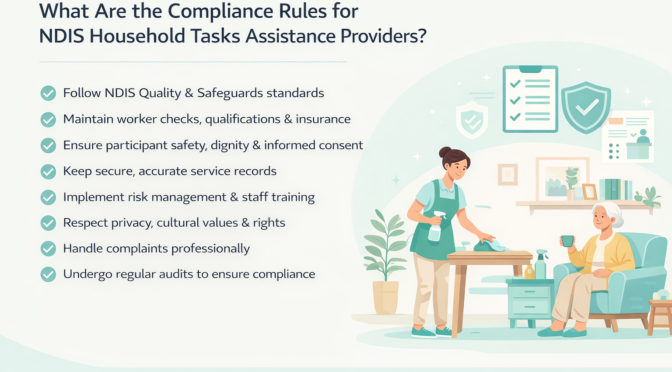
What Are the Compliance Rules for NDIS Household Tasks Assistance Providers?

Providing support services through the NDIS requires strict adherence to compliance rules. Household tasks assistance providers must understand regulations protecting participants. Quality standards ensure safe, dignified, and person-centred care delivery. This guide breaks down essential compliance requirements into simple, actionable information.

Understanding NDIS Compliance Fundamentals

NDIS service in Melbourne and across regions must follow comprehensive compliance frameworks. Providers must meet quality and safety standards established by the NDIS. Compliance protects vulnerable participants from harm. Non-compliance can result in serious consequences for providers.

The NDIS Quality and Safeguarding Commission oversees provider accountability. Providers must implement documentation systems to track all support delivered. Regular audits ensure ongoing compliance with regulations. Participants have rights that providers must respect and protect.

Key Compliance Requirements for Providers

Core Compliance Areas

  • Maintain appropriate qualifications and credentials for support workers.
  • Complete police checks and working with children checks regularly.
  • Obtain proper insurance coverage for all services delivered.
  • Keep detailed service records and participant information securely.
  • Ensure confidentiality and privacy of all participant data.

Quality and Safeguarding Standards

NDIS support services in Melbourne must prioritise participant safety above all else. Providers must implement risk management systems to identify potential hazards. Staff training on safeguarding practices is mandatory and ongoing. Participants should feel secure when receiving assistance with tasks.

Providers must have complaint-handling procedures in place for feedback. Issues must be addressed promptly and professionally. Documentation of complaints protects both participants and providers. Regular quality audits assess compliance with safety standards.

Participant Rights and Dignity

NDIS household task in Melbourne assistance must respect participant autonomy and choices. Providers must obtain informed consent before commencing any support. Participants control decisions about their own care and support. Workers must maintain professional boundaries at all times.

Support should be delivered with respect for individual cultural values and preferences. Participants have rights to dignity, privacy, and fair treatment. Discrimination or mistreatment is strictly prohibited under regulations. Workers must complete cultural competency training regularly.

Documentation and Record-Keeping

Household tasks assistance in Melbourne requires comprehensive record-keeping practices. Providers must document all services provided to participants. Records include time spent, tasks completed, and any concerns noted. Documentation must be accurate, timely, and stored securely.

Records are essential for quality assurance and regulatory audits. Participants have rights to access their own service records. Confidentiality laws govern how records are stored and shared. Digital systems must have appropriate data protection measures.

Conclusion

Compliance with NDIS regulations ensures quality service delivery and participant protection. Providers who understand and follow these rules build trust with participants. Regular training and updates keep staff informed of changing requirements.

Need expert NDIS support guidance? Inclusive Futures Network specialises in helping providers meet compliance standards. Our experienced team provides training, consultation, and ongoing support.

Contact us today for personalised compliance support and training solutions!

— — — — — — — — — — — — — — — — — — — — — — — — — — — — — — — — — — — — — — — — — — — — — — — — — — — — — — — — — — — —

Frequently Asked Questions

1. What qualifications must household tasks assistance workers have?

Workers should have relevant training in disability support and first aid. While specific certifications vary, providers must ensure workers are competent. Ongoing professional development is required for all staff members.

2. How often must providers undergo compliance audits?

The NDIS conducts audits based on risk assessments and complaints. Most providers undergo audits annually or biannually. Providers should maintain readiness for surprise audits at any time.

3. What happens if a provider fails a compliance audit?

Failed audits may result in corrective action plans or penalties. Serious breaches can lead to provider deregistration. Participants may seek alternative providers if concerns aren’t resolved.

4. Are background checks mandatory for all staff members?

Yes, police checks and working with children checks are mandatory. Checks must be renewed regularly according to regulations. Certain criminal records may prevent employment in support roles.

5. How should providers handle participant complaints?

Complaints must be documented and investigated promptly. Providers should respond within agreed timeframes. Records of complaints and resolutions must be maintained for quality assurance purposes.

6. What insurance coverage do household tasks providers need?

Providers must have adequate liability insurance and professional indemnity coverage. Insurance requirements depend on services provided. Participants should have proof of provider insurance before commencing support.

7. Can providers refuse to work with certain participants?

Providers cannot discriminate based on disability or characteristics. Refusal must be based on genuine safety concerns or service mismatch. Reasons for refusal must be documented and communicated respectfully.

8. How long must providers keep participant records?

Documentation standards require retention for minimum periods specified by NDIS. Generally, records should be kept for 7 years after service ends. Secure storage and data protection are mandatory throughout.

9. What should providers do if safeguarding concerns arise?

All safeguarding concerns must be reported immediately to the authorities. Providers should have clear reporting procedures in place. Failure to report suspected abuse is a serious compliance breach.

10. How can providers stay updated on compliance changes?

Subscribe to NDIS official communications and updates. Attend professional development training regularly. Connect with industry bodies that provide compliance guidance and resources.
Top Features to Look for in a Supported Independent Living Home

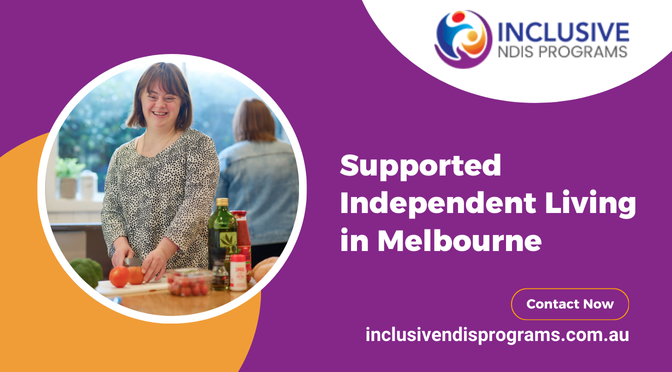
If you want to live in an independent home while still receiving quality care, there is a supported independent living home facility just for you. It’s about locating a place where you or your loved one may live as independently as possible, feel safe, and flourish. Selecting a community and support system that fits with personal requirements and goals is more critical than simply choosing a place to live.

Here is a list of the most important characteristics to consider when choosing a home for supported independent living in Melbourne

Adaptability and Accessibility

An excellent SIL house must be easily accessible. Seek out characteristics that address your unique mobility requirements. This comprises:

Accessible Features: Accessible restrooms, ramps, and wide doorways are crucial for wheelchair users.

Integration of Assistive Technology: Voice-activated controls, automatic lighting, and communication devices are examples of assistive technologies that the home should support or be readily modified for.

Modifications: Consider whether the house can be readily altered to meet future requirements. For example, modified flooring, grab rails, or movable benchtops could be needed.

Caring support workers assisting residents in a Supported Independent Living home in Dandenong

Services and Support Personnel

The caliber of support personnel is crucial. Inquire about:

Experience and qualifications of staff: Verify that SIL providers in Dandenong have received training in first aid, disability support, and other pertinent care areas.

Ratio of employees to participants: More individualised care is possible with a lower ratio.

Individualised support plans: In accordance with your NDIS objectives, the home should create customised plans.

Support is available around the clock: Find out if 24-hour assistance is accessible, particularly for people with complicated requirements.

Cultural sensitivity of the staff: Staff members who appreciate your background and are culturally sensitive are essential.

Community Engagement and Social Inclusion

A good SIL home recognises the value of social interaction as a primary NDIS service in Melbourne. Ask about the social events that people can participate in both inside and outside of their homes. Are there chances to take part in local events, go on excursions, or engage in group activities? Does the house make it easier to interact with friends and family? Seek out a residence that actively encourages social inclusion and supports residents in forming deep connections.

NDIS Service Melbourne

Strict Security and Safety Procedures

Security and safety cannot be compromised. Enquire about the house’s safety precautions, such as security, fire safety, and emergency protocols. Are employees available around the clock? Does the house have the necessary safety gear? Residents and their families may rest easy in a safe and dependable environment.

Speak to Our Experts!

Inclusive Futures Network — NDIS Programs has experience and expertise offering compassionate NDIS service in Melbourne. Whether you want to find a suitable SIL facility or need help to carry out basic house tasks, you have us as your next stop destination. Call us today at 0403 545 467 for a free consultation.

How Professional Daily Personal Activities Help the Participants?

Daily personal activities play a pivotal role in promoting personal growth, mental well-being, and productivity. Whether it is physical exercises, mental conditioning, or self-care practices, engaging in these activities regularly helps individuals with special needs to remain focused, motivated, and healthy. For participants, professional daily personal activities NDIS in Melbourne offer a great platform for achieving long-term goals and enhancing overall quality of life. Below are some key ways daily personal activities help participants.

Enhancing Physical Health

One of the most direct benefits of engaging in daily personal activities is the improvement in physical health. Consistent physical exercise, such as walking, stretching, or strength training, helps improve cardiovascular health, build muscle strength, and maintain a healthy weight. By incorporating these activities into their daily routine, participants reduce the risk of chronic illnesses such as heart disease, diabetes, and high blood pressure.

Building Discipline and Consistency

Engaging in daily personal activities fosters discipline and consistency. Having a set routine encourages individuals to stay committed and maintain a sense of responsibility toward themselves. By following a structured schedule, participants develop the ability to prioritise tasks, manage time effectively, and build positive habits. This sense of discipline is crucial in achieving personal goals and maintaining momentum toward both short-term and long-term aspirations.

Improving Mental Well-Being

Mental health is just as important as physical health. Daily personal activities often include practices such as meditation, or mindfulness exercises, which have been shown to reduce stress and anxiety. Taking time out each day for mental relaxation allows participants to reset, gain perspective, and refocus their thoughts. These daily personal activities NDIS in Noble Park help participants handle emotional fluctuations, work-related stress, and everyday challenges more effectively, creating a more balanced mental state.

Fostering Motivation and Focus

The regular completion of personal activities gives participants a sense of accomplishment and purpose. By setting and achieving small daily goals, individuals experience a continual sense of progress. This sense of accomplishment fosters intrinsic motivation, boosting confidence and encouraging participants to stay on track with larger objectives. Furthermore, the daily act of focusing on specific tasks, whether it is physical exercise, meditation, or work-related activities, sharpens concentration and mental clarity, making participants more productive in other areas of their lives.

Professional NDIS service in Melbourne also promotes self-reflection and growth, improving social connections and much more. You should hire a trusted NDIS provider who is well renowned for offering top-notch service and helping the participants achieve their goals. You can do online research or get some good references from your friends or families to connect with experts who specialise in offering professional assistance with daily personal activities.

Inclusive Futures Network — NDIS Programs is one of the most trusted disability services & support organisations that specialise in helping eligible participants professionally and efficiently. Our team is trained, and experienced and is available around the clock to help the NDIS participants. We are just a call away to offer assistance with daily personal activities NDIS in Melbourne. For any other queries you can send an email and our team will reply to you soon.

What Skills Should Your Child with Special Needs Be Equipped with?

Developing independence is an important aspect of life that every individual considers. Whereas it becomes difficult for an adult, children can have a lot of opportunities to develop it. So, if your child has special needs, you should focus on their development at this stage of life. Your primary aim should be to help them learn the right skills for independence.

Look for the right NDIS service in Melbourne that can target your child’s skill development correctly. This way, you can gain peace of mind knowing that they are in capable hands and are soon going to get empowered. When your child is equipped with the right skills, they can start feeling confident in themselves and easily perform every activity in their life.

Life Skill Development Casey

So, below are some essential skills you need to make sure that your child develops for their betterment:

Communication

Communication is considered the most important skill in the lives of human beings. If you are not communicative, you may miss out on almost everything good in your life, such as forming relationships, strengthening bonds, and participating in the community. So, what you should do is help your child learn to communicate effectively with everyone. If they cannot speak, there are many other ways you can make them communicate.

Daily Living Activities

Performing your daily life activities is a great way to keep your days organised and freshen up your mood. So, you should help the right life skill development in Casey to do so effectively. These skills can include taking a bath, eating, dressing, and grooming, among others. Go step-by-step with the skill development process and match up with their pace in order to help them be comfortable.

Household Chores

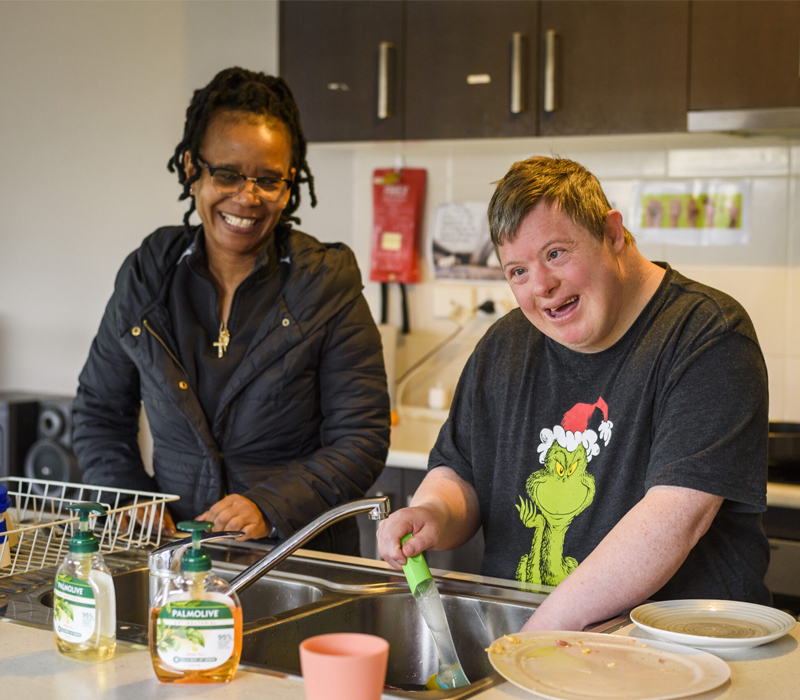
Cleaning, organising your home, and maintaining the condition of every room are some of the household chores your child should know how to do. This will ensure not only the efficiency of your home but also the betterment of your health and well-being. Help them develop skills like doing the dishes, folding clothes, cooking, and dusting.

Life Skill Development Croydon

Functional Reading

In order to help your child manage their daily life, you should make them learn functional reading skills. Depending on their age and ability, begin helping them with reading their name and the alphabet, and progress to stories. There are also various types of articles that can help your child understand their daily lives and how to manage them.

In order to help your child feel empowered and confident, you have to assist them with life skill development in Croydon. Look for the best provider near you that can provide them with this kind of assistance in a great and tailored manner. If they are good and reputable, they will know how to keep your child comfortable and safe wherever they are while ensuring proper and effective skill development.

Call Us Today for Exceptional Life-Skill Development!

Contact Inclusive Futures Network – NDIS Programs now if you want your child to develop the right skills for independence. We are your ideal bet on your journey to empowerment!