Tag Archives: SIL Providers Melbourne

Beyond Basic Care: The Real Benefits of Supported Independent Living in 2026

Supported independent living represents far more than just residential assistance services. It’s about empowering people to live meaningfully while receiving tailored support. The concept has evolved dramatically, offering genuine independence and personal growth opportunities. Many discover that SIL providers in Melbourne create environments where individuals thrive.

Understanding Supported Independent Living

Supported living arrangements differ significantly from traditional care models. Rather than congregate settings, individuals live in their own homes. Support staff visits provide customised assistance with daily routines. This approach promotes autonomy and self-determination in personal life choices.

Key Features of Modern SIL:

  • Personalised support based on individual goals and preferences
  • Greater control over daily routines and lifestyle decisions
  • Access to community activities and social participation programs
  • Support for developing independence and life skills progressively
  • Flexible arrangements adapting to changing needs over time

Enhancing Personal Independence and Dignity

True independence means making meaningful choices about your life. SIL housing in Melbourne emphasises person-centred approaches to daily support. Individuals gain confidence through accomplishing tasks with guided assistance. This builds self-efficacy and personal agency in all areas.

Support workers focus on enabling rather than simply providing care. They teach new skills through practical demonstration and encouragement. Over time, people often require less direct assistance. This gradual progress towards greater autonomy remains the primary objective.

Building Meaningful Community Connections

Isolation poses serious risks to wellbeing and mental health. SIL providers in Dandenong recognise that community engagement drives positive outcomes. Support includes facilitating social activities and community participation. Individuals develop genuine relationships beyond caregiver connections.

Access to employment, education, or volunteer opportunities increases significantly. People contribute to their communities in meaningful ways. These connections create purpose and strengthen social wellbeing indicators. The result is a richer, more connected life experience.

What is SIL? - Ace Care Services | Australia's Leading NDIS Provider

Developing Essential Life Skills

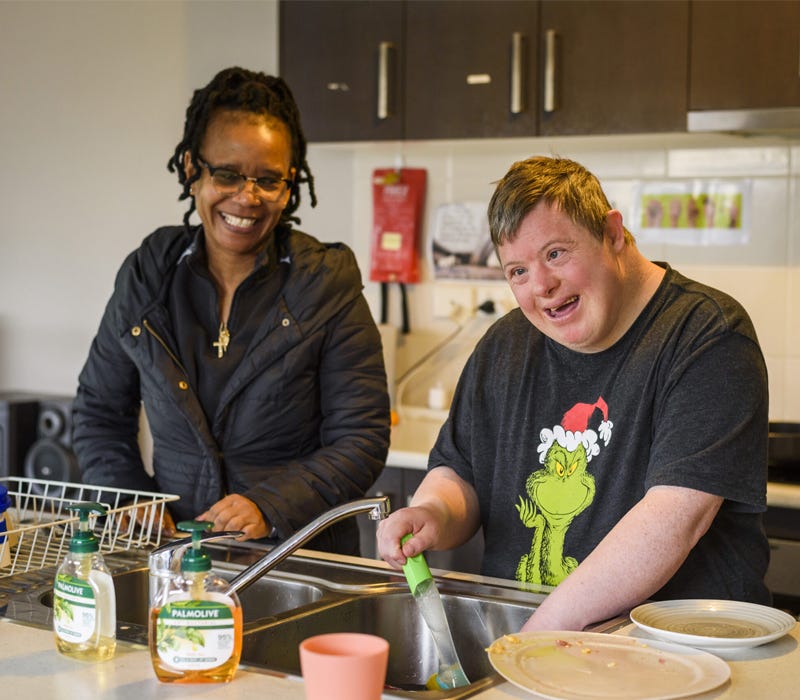
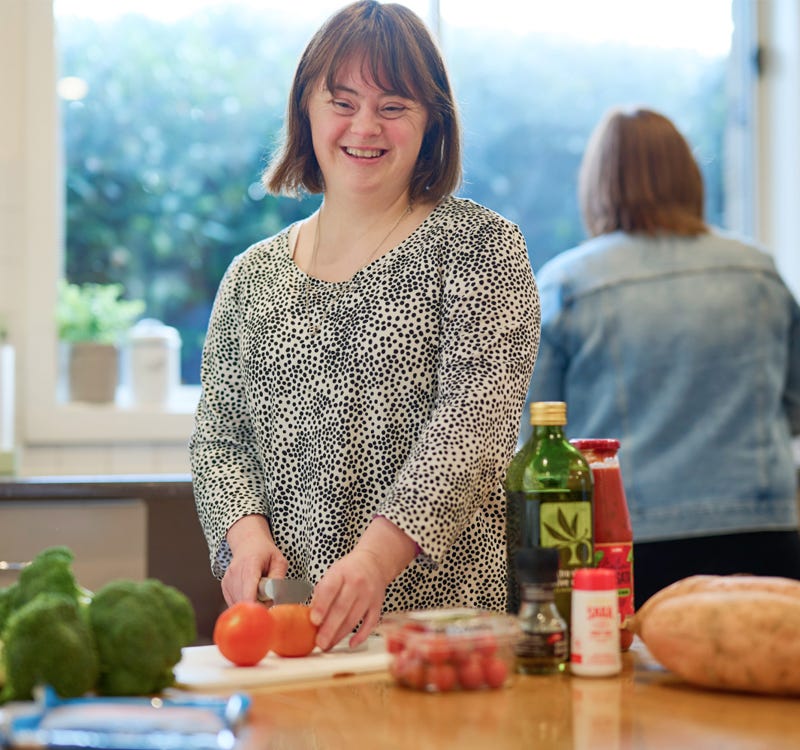
Skills training and development forms a cornerstone of quality support. Workers help individuals master cooking, budgeting, and household management. Personal hygiene routines and health management become more independent progressively. SIL providers in Clayton emphasise teaching practical abilities systematically.

Each person’s learning plan reflects their unique capabilities and aspirations. Progress is celebrated and documented consistently. As confidence grows, supervision naturally decreases. This approach creates sustainable, long-term independence for individuals.

Promoting Health and Wellbeing Outcomes

Quality health management support ensures better medical outcomes overall. Regular health monitoring and medication management receive proper attention. Mental health support and counselling services remain readily accessible. SIL providers in Box Hill integrate health promotion into daily routines.

Physical activity and nutrition improvements happen naturally in supportive homes. People enjoy better sleep and reduced stress levels typically. These factors combine to create measurable health improvements. Holistic wellbeing becomes achievable through consistent, compassionate support.

Conclusion

Supported independent living offers transformative benefits far beyond basic assistance. It restores dignity, builds capabilities, and creates meaningful lives. If you’re exploring SIL options for yourself or loved ones, professional guidance matters significantly.

Contact Inclusive Futures Network – NDIS Programs today to learn more about your possibilities:

Your journey towards greater independence and community belonging starts here.

Frequently Asked Questions

  1. What exactly is supported independent living?
    It’s a support model where people live in their own homes while receiving tailored assistance. Support workers help with daily tasks, skills development, and community participation as needed.
  2. How does SIL differ from group homes?
    SIL provides individual housing with personalised support, offering more autonomy and choice. Group homes involve shared accommodation with communal support arrangements instead.
  3. Who qualifies for supported independent living services? People with disabilities who need support but desire more independence typically qualify. Eligibility varies based on individual circumstances and support needs assessment.
  4. Can people choose their support workers?
    Yes, most quality SIL arrangements prioritise matching preferences and building strong working relationships. Compatibility between individuals and support staff remains important for success.
  5. What types of support do workers provide daily?
    Support ranges from assistance with meals and personal care to budgeting and health management. Workers also facilitate community activities, social participation, and skill development.
  6. How does SIL promote community integration?
    Support includes facilitating employment, education, volunteering, and social activities. Workers help people develop genuine community connections beyond care relationships.
  7. Can individuals move to different housing arrangements?
    Yes, supported living arrangements remain flexible and adaptable to changing needs. People can transition between different support levels or living situations progressively.
  8. How is progress towards independence measured?
    Regular assessments track skill development and increasing independence across daily tasks. Goals are personalised and reviewed regularly with the individual’s input.
  9. Is SIL affordable for most people?
    Many arrangements are funded through disability support schemes and government programs. Costs vary based on individual support needs and funding eligibility.
  10. How do families stay involved in SIL arrangements?
    Regular communication and consultation with families remains standard practice. Most programs encourage family involvement in planning and decision-making processes.

NDIS SIL Policy Changes 2026: What Participants Should Prepare For

The NDIS landscape is evolving, and the upcoming 2026 Supported Independent Living (SIL) policy changes are set to reshape how participants experience independence, choice, and day-to-day support. Whether you’re currently receiving SIL supports or considering them soon, now’s the perfect time to understand what’s coming and how to prepare confidently.

Most participants rely on trusted supports like SIL providers in Melbourne, so being ahead of the curve helps you keep your journey smooth and stress-free.

Most participants rely on trusted supports like SIL providers in Melbourne, so being ahead of the curve helps you keep your journey smooth and stress-free.

What’s Changing in SIL From 2026?

The NDIS will introduce several participant-centred reforms aimed at improving flexibility, transparency, and quality of support. Early insights show a shift towards:

  • More personalised funding models that focus on individual abilities and long-term goals
  • Greater clarity in rostering and support hour allocation to ensure fairness
  • Enhanced quality standards to raise accountability among service providers
  • Stronger emphasis on evidence-based support planning

With participants often relying on familiar supports such as SIL providers in Oakleigh, these changes are expected to create a more empowering experience – one where choice and control genuinely sit with you.

How These Changes May Affect Your SIL Journey

The SIL framework is moving toward a more consistent, participant-friendly structure. Here’s what you may notice:

  • More Transparent Funding

You’ll likely see detailed breakdowns of how your SIL funding is allocated—especially useful if you want to compare offerings or explore long-tail support options such as “how to transition smoothly between SIL houses” or “steps to personalise SIL support plans.”

  • Clearer Support Worker Responsibilities

Expect more defined roles for support workers, giving you clearer expectations around daily routines, community participation, and individualised skill-building.

  • Stronger Collaboration in Support Planning

You may be more involved in the planning stage, with providers, especially trusted ones like SIL providers in Clayton, offering deeper conversations around your preferences, cultural needs, and short- and long-term goals.

You may be more involved in the planning stage, with providers, especially trusted ones like SIL providers in Clayton, offering deeper conversations around your preferences, cultural needs, and short- and long-term goals.

How Participants Can Prepare for the 2026 SIL Updates

A little preparation now can help you navigate the transition with confidence.

  • Review Your Current SIL Goals

Think about what’s working for you and what isn’t. Do you want more social participation? More independence at home? Write these down to discuss with your support coordinator.

  • Start Conversations Early

Engage in open chats with your existing provider. Ask them how they’re preparing for the new framework and what it means for your current supports.

  • Explore Your Options

Now is a great time to look at long-tail support queries like:

    1. “What to ask before changing SIL houses”
    2. “How SIL participants can build daily living skills ahead of reviews”
    3. “What personal documentation to prepare for SIL plan reassessments”
  • Keep Documentation Ready

Collect medical reports, daily routines, incident notes, and any relevant assessments. These will be helpful when the new planning processes roll out.

Final Thoughts

The 2026 SIL policy changes are designed to make your experience with SIL providers in Melbourne more personalised, transparent, and empowering. By starting early conversations, reviewing your goals, and staying informed, you can embrace the shift with confidence.

The future of SIL is bright, and these changes are here to help you lead a more independent, fulfilling life on your own terms.

Learn More From Inclusive Futures Network – NDIS Programs!

Our team at Inclusive Futures Network – NDIS Programs can help you better understand every upcoming change in NDIS supported independent living (SIL) and ensure you get the most out of it in 2026. Contact us today at 0455 983 963 to schedule a consultation!

Frequently Asked Questions

  1. Can I move into a new SIL home even if I’m unsure about my long-term goals?

Absolutely. Many participants start their journey while still figuring things out. We support you with flexible planning, gentle guidance, and regular check-ins so you can explore options without pressure.

  1. Do you help participants personalise their living spaces to feel more like home?

Yes! We encourage you to personalise your room and shared spaces. From layout suggestions to accessibility ideas, our team loves helping you create a space that feels comforting and truly yours.

  1. What if I want more independence than support? Can you adjust the balance?

Definitely. We tailor support levels around your abilities and preferences. As your independence grows, we adjust your plan to match your confidence and skill development.

  1. How do you support participants who feel anxious about living with others?

We take a gentle, people-first approach. You’ll receive emotional support, gradual introductions, compatibility-focused placements, and continued reassurance to help you settle in comfortably.

  1. Can you help me transition from another provider with zero stress?

Yes. We manage the entire transition – from paperwork to coordination – so you can move smoothly without feeling overwhelmed.

  1. What if my cultural background or routines are different from others in the home?

We deeply respect cultural needs and help you maintain your personal routines. We also create a supportive environment where housemates appreciate and celebrate individual differences.

  1. Do you provide support for participants who want to learn home-management skills?

We love helping with this! Cooking, cleaning, budgeting, time-management – we work with you step-by-step so these skills become part of your everyday life.

  1. What happens if my needs suddenly change, even late at night or early morning?

You’ll never be left alone during urgent changes. Our team responds promptly and adjusts support to prioritise your comfort and safety.

  1. Can I bring my own support team or mix supports from different organisations?

Yes. We encourage collaborative support. If you have preferred allied health professionals, mentors, or recovery coaches, we happily work alongside them for your benefit.

  1. If I want more community engagement, do you help me find activities that match my interests?

Absolutely. Whether you enjoy sports, arts, social groups, volunteering, or simply exploring the neighbourhood, we help you discover activities that make your days more enjoyable and meaningful.

Questions to Ask Before Choosing an SIL Provider

When it comes to hiring Supported Independent Living (SIL) services, you need to find the right providers who can guide you to a suitable accommodation. SIL Services is all about retaining your independence while still receiving support. This is when you need a provider who understands your needs and specific goals.

Melbourne SIL Providers helping NDIS participants gain independence

Here is a set of questions you must ask your SIL providers in Melbourne before you hire them:

What Kinds of Assistance Are Offered?

Start by outlining the variety of available supports. While some providers may be able to help with skill development, community involvement, or overnight support, others may only help with everyday living tasks like cooking and personal hygiene. Make sure the enquiries are tailored to your specific assistance needs and ask for concrete examples.

Are Supports Customised to Meet Personal Objectives?

Every person has a different route. It’s critical to learn how the provider tailors services to the objectives and preferences of participants. Give instances of how the provider has helped people follow their interests or become more self-reliant.

Personalised SIL housing services in Melbourne

What Are Support Workers’ Experiences and Qualifications?

It’s critical to know who will be helping you. Enquire about the hiring procedure, required qualifications, and staff experience with your kind of assistance needs. To determine compatibility, ask about staff ratios and if you can meet with employees beforehand.

How Does the Provider Manage and Train Employees?

A qualified provider will have ongoing training. Enquire about initial and recurrent training covering topics like medication management, first aid, positive behaviour support, and cultural competency. Examine the procedures for employee supervision, feedback, and improvement plans as well.

Does the Provider Promote Control and Choice?

The best SIL providers in Springvale give you the ability to take charge of your life. Find out whether you will be able to choose your housemates, support staff, and daily schedule. Ask yourself how your routines or supports are handled when they are altered.

How Does the Provider Handle Dignity and Privacy?

Respect for dignity and privacy ought to be unassailable. Find out how your privacy is protected in shared living situations, how personal information is shared and saved, and what safeguards are in place to guarantee that your dignity is upheld in daily assistance.

How Do I File a Complaint or Offer Feedback?

A competent provider actively looks for input. Find out how complaints are resolved, how feedback is obtained, and whether participants have any say in how services are provided. A good experience depends on knowing your rights and how receptive the provider is to criticism.

How Do SIL Fees Get Determined?

Make clear what is covered by your NDIS plan and what is included in your SIL quote. Future financial strain can be avoided by being open and honest about fees, inclusions, and potential out-of-pocket costs.

What Takes Place If My Needs Shift?

Find out if the assistance arrangements are flexible. How does the provider respond to a move to a different property or shifting needs? A responsive provider should be able to support your transitions and make quick adjustments.

Supported Independent Living Melbourne - NDIS Approved Providers

Finding SIL providers in Oakleigh who are on your path to wellbeing and independence is the goal of your NDIS plans. In addition to protecting your rights, asking the correct questions guarantees that you get the individualised, considerate assistance you need to create the greatest possible life in Australia.

Hire Reputed and Reliable Providers!

If you’re on the hunt for reliable and trusted SIL providers in Melbourne, turn to Inclusive Futures Network — NDIS Programs. We specialise in tailoring services to meet the needs of participants and people living with disabilities. Talk to our expert providers and discuss your needs with us. Dial 0403 545 467 for a free consultation.