42 / 15-23 Langhorne Street, First Floor HUB Arcade, Dandenong VIC 3175
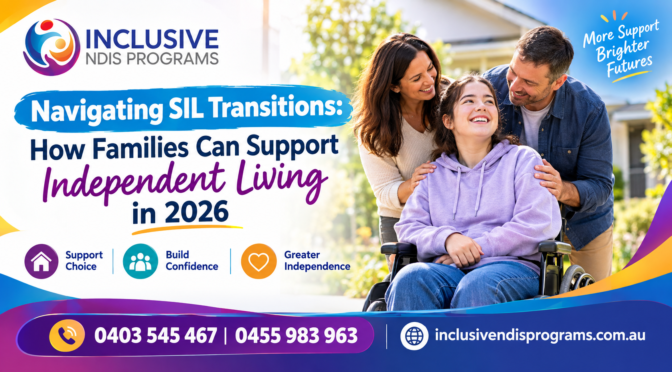
Supported Independent Living (SIL) represents a transformative step for individuals with disability. It enables meaningful participation in community life while maintaining necessary support structures. Families play a crucial role in ensuring smooth transitions into SIL arrangements. Understanding this journey helps create stable, fulfilling living experiences for everyone involved.
Understanding SIL and Its Importance
Supported Independent Living combines housing assistance with personalised support services. This approach respects individual choice while ensuring safety and wellbeing. Many NDIS participants benefit from tailored SIL arrangements that match their needs. The 2026 landscape offers diverse options for transition planning and independent living support.
Key Considerations for Family Involvement
Supporting transition success requires thoughtful planning and clear communication. Families should:
- Understand their loved one’s specific needs and preferences
- Research quality SIL providers in Melbourne offering comprehensive services
- Document important health and personal information clearly
- Establish regular check-in routines with support coordinators
- Participate in person-centred planning meetings actively
Finding Appropriate Housing Solutions
Locating suitable accommodation demands careful consideration of multiple factors. SIL accommodation in Melbourne ranges from shared homes to semi-independent arrangements. Families must assess:
- Proximity to community facilities and services
- Accessibility features and safety specifications
- Compatibility with housemates when applicable
- Transport connections for social engagement
- Ongoing maintenance and property management support
Exploring Available Vacancies and Providers
Finding the right fit takes time and thorough investigation. SIL vacancies in Melbourne, Victoria is available through dedicated NDIS coordination channels. Families should:
- Connect with registered NDIS service coordinators early
- Request detailed provider information and references
- Tour facilities and meet potential support staff
- Compare service delivery models and costs
- Ask about staff training and quality assurance processes
Addressing Housing and Support Needs
SIL housing in Melbourne encompasses diverse living arrangements suited to different circumstances. Quality providers offer flexible support models that adapt to changing needs. Families benefit from understanding:
- Available funding through NDIS plans for accommodation
- Additional costs beyond NDIS coverage requirements
- Support worker qualifications and experience levels
- Communication protocols for reporting concerns effectively
- Review schedules ensuring continued service appropriateness
Identifying Quality Service Providers
Selecting appropriate support requires understanding what defines excellence. The best SIL providers in Dandenong show commitment to person-centred practice. Key indicators include:
- Staff with relevant qualifications and disability support training
- Positive feedback from current residents and families
- Transparent complaint resolution procedures
- Regular staff supervision and professional development
- Community integration support beyond basic assistance
Supporting a Smooth Transition
Preparation significantly impacts transition success and adjustment periods. Families should:
- Create detailed support plans documenting preferences and routines
- Establish gradual transition periods when possible
- Maintain consistent contact during initial settlement phases
- Celebrate independence while remaining appropriately involved
- Provide emotional support through adjustment challenges
Conclusion
SIL transitions require patience, planning, and partnership between families and providers. Supporting your loved one’s move toward independent living represents genuine care. Inclusive Futures Network — NDIS Programs specialises in guiding families through this important journey.
Contact Inclusive Futures Network — NDIS Programs today:
- Phone: 0403 545 467 / 0455 983 963
- Email: info@inclusivendisprograms.com.au
- Website: https://inclusivendisprograms.com.au/
Let our experienced team help you navigate SIL transitions successfully in 2026.
FAQs
1. What exactly is Supported Independent Living (SIL)?
SIL combines housing assistance with personalised support services for individuals with disabilities. It enables people to live independently whilst receiving necessary help from trained support workers.
2. When should families start planning for SIL transitions?
Families should begin planning at least six to twelve months beforehand. Early planning allows time for thorough provider research and gradual adjustment preparation.
3. How do families find quality SIL providers?
Request recommendations from NDIS coordinators and check provider registrations. Review references from current residents and families, then visit facilities in person.
4. What costs are involved in SIL arrangements?
NDIS plans typically cover support services and accommodation assistance. Families should discuss additional costs with providers and their NDIS coordinators.
5. Can SIL arrangements be changed if they don’t work initially?
Yes, most arrangements can be reviewed and adjusted based on feedback. Regular communication with support coordinators helps identify issues requiring modification.
6. What qualifications should SIL support workers have?
Quality providers employ staff with disability support training and relevant qualifications. Ask about ongoing professional development and supervision requirements.
7. How involved should families remain after transition?
Family involvement varies based on individual needs and preferences. Maintain regular contact whilst supporting increasing independence and autonomy.
8. What happens if concerns arise about service quality?
Report concerns immediately to your support coordinator or the provider directly. Quality providers maintain transparent complaint resolution procedures.
9. Are there waiting periods for SIL vacancies?
Availability varies depending on location and specific requirements. Starting your search early increases chances of securing suitable arrangements.
10. How can families help their loved one settle into SIL housing?
Create detailed support plans, maintain consistent contact during adjustment, and celebrate independence milestones. Provide emotional support whilst respecting their growing autonomy.